
How Interactive Flat Panels Boost Student Engagement and Collaboration
Rizwan Khan
15-Nov-2024

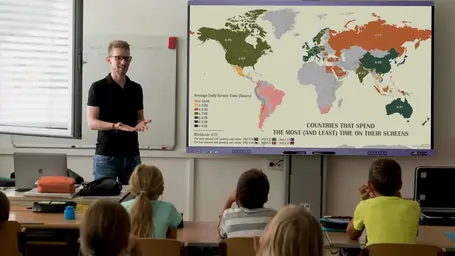
In today’s rapidly evolving educational landscape, traditional teaching methods are being supplemented and often replaced by advanced technologies. One such technology that is making significant strides in classrooms worldwide is the interactive flat panel (IFP). These cutting-edge tools are not just enhancing the learning experience; they are transforming how students engage with and collaborate on educational content. Here’s how interactive flat panels are boosting student participation and teamwork in classrooms.
Enhancing Student Engagement
Interactive Learning Experience
Interactive flat panels bring lessons to life by offering an engaging, interactive learning experience. Unlike traditional whiteboards or chalkboards, IFPs allow students to interact directly with the content. For instance, students can touch, drag, and manipulate objects on the screen, which can turn a simple math problem or a historical map into an interactive exploration. This hands-on approach makes learning more engaging and helps to deepen understanding of the material.
Catering to Different Learning Styles
IFPs cater to various learning styles, particularly visual and kinesthetic learners. The high-definition, vibrant displays capture students’ attention, making it easier for them to understand complex concepts through visual aids. The touch-based interaction allows kinesthetic learners to engage physically with the content, which reinforces learning and retention.

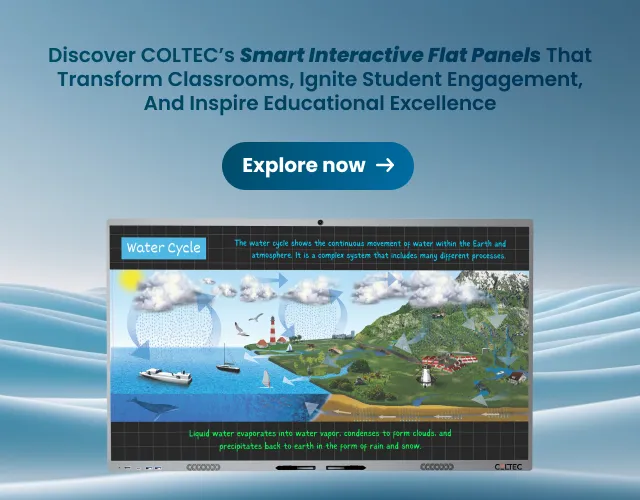
Gamification of Education
With the integration of video conferencing tools and cloud-based applications, IFPs enable remote collaboration. Students can collaborate with their peers from different classrooms, schools, or even countries, broadening their learning horizons and exposing them to diverse perspectives. This capability is particularly valuable in today’s increasingly connected world, where remote learning and global collaboration are becoming more common.
Enhancing Teacher-Student Interaction
IFPs enhance teacher-student interaction by allowing teachers to move around the classroom and interact more freely with students while controlling the content on the screen. This dynamic teaching approach helps to create a more interactive and engaging classroom environment, where students feel more connected to the lesson and the teacher.

Latest Blogs
Blog Categories
Leave a Comment
Comments
No comments yet. Be the first to comment!

